Out of the Archives: Female Life on the Spectrum with Jennifer Cook
September 11, 2026
September 11, 2026
Coming Soon—Our NEW Appleton, WI Learning Center! Learn More



FEATURED POSTS



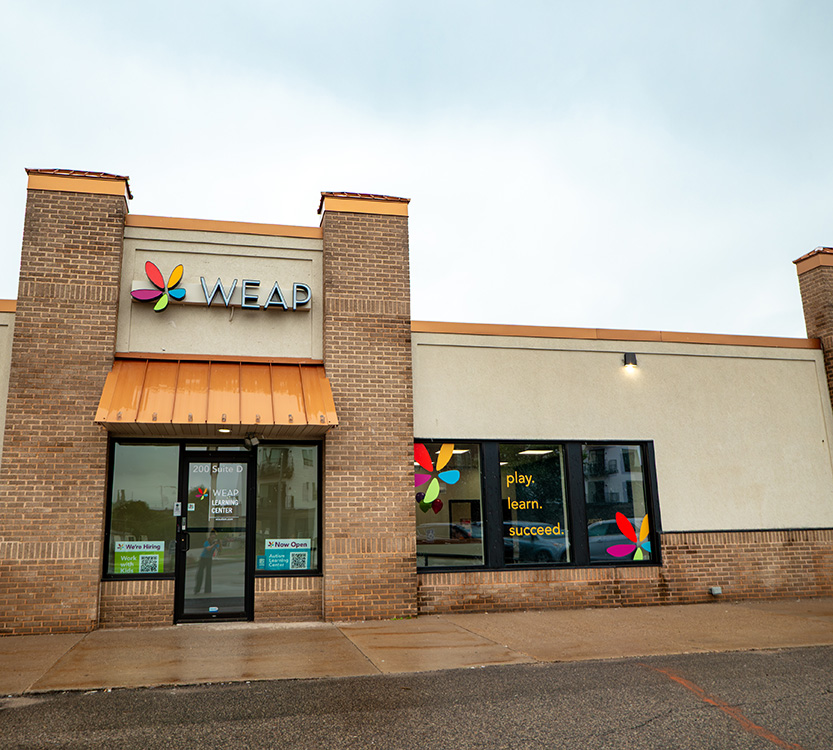
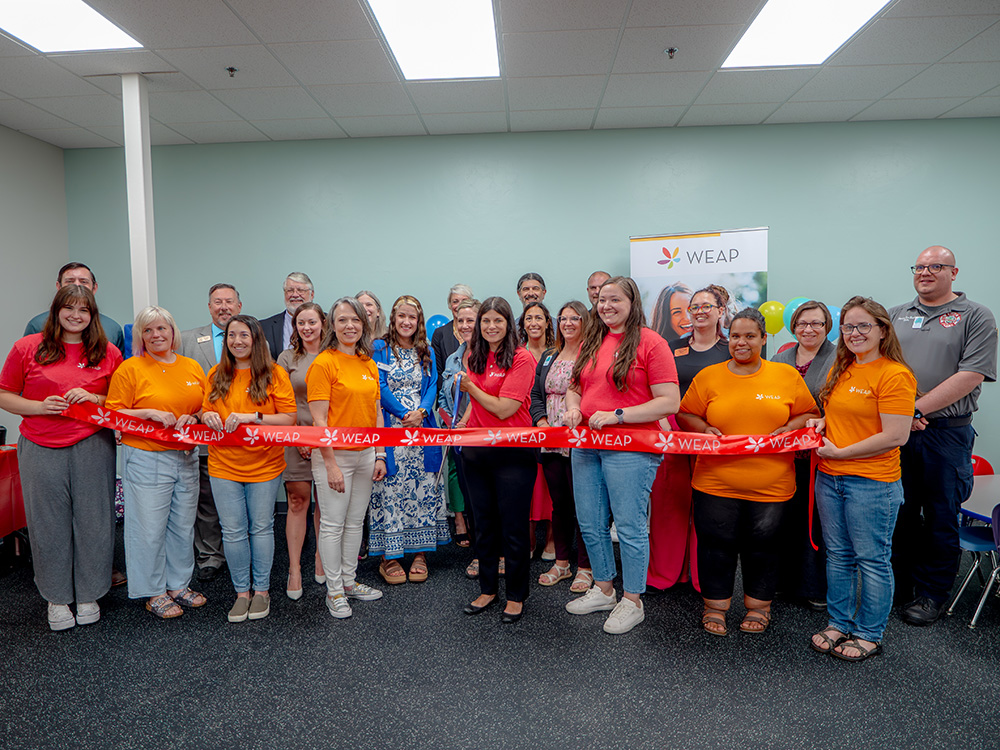
Wisconsin Early Autism Project (WEAP), provider of LEARN Behavioral, recently held a ribbon-cutting celebration at its new Stevens Point Learning Center at 200 Division Street, Suite D, Stevens Point, WI 54481.
Hosted by the Portage County Business Council, the ribbon-cutting celebration was held on June 11, 2026.
During the ribbon-cutting ceremony, Sarah Agena, Community Engagement Coordinator of the Portage County Business Council, along with Senator Patrick Testin, State Representative Vincent Miresse, and Mayor Mike Wiza, shared greetings and remarks. Members of the Portage County Business Council and other guests were in attendance.
Ribbon-cutting attendees toured the facility, enjoyed light refreshments, and met the WEAP Stevens Point leadership team, Cassie Sedlacek, LCSW, Regional Clinical Director, and Erin Junemann, Center Director.
WEAP is Wisconsin’s premiere contemporary applied behavior analysis (ABA) provider of center-based autism services for children ages 2 to 6 years old. The Stevens Point Learning Center provides center-based ABA, parent education, Early Intervention, Social Skills Programs, and weekend hours (Saturday Squad). Their center-based services also include a school readiness program.
The Stevens Point Learning Center offers flexible treatment hours to accommodate busy family schedules. There is no waitlist. The center is conveniently located within walking distance to the University of Wisconsin-Stevens Point and easily accessible for families in the region.
WEAP, celebrating over 30 years, has become a world-renowned leader in early diagnosis and treatment for children with autism. Their evidence-based approach to care has helped thousands of children with autism throughout Wisconsin.
WEAP is now enrolling new clients in Portage County and beyond. For more information or to enroll a child at the Stevens Point Learning Center, call (608) 662-9327 or visit https://wiautism.com/locations/stevens-point
LEARN Behavioral is a national leader in autism treatment, offering comprehensive diagnostic services and contemporary applied behavior analysis (ABA) therapy for children with autism spectrum disorder (ASD). With a nationwide network of ABA providers and more than 100 Learning Centers across the country, LEARN delivers the highest standard of evidence-based care—customized to meet the unique needs and interests of each child and family. For more information, visit learnbehavioral.com.
If your child has an individualized education program (IEP), the start of a new school year can bring both excitement and a long to-do list. Between fresh school supplies and new routines, it is also the best time to revisit your child’s plan, build strong relationships with the school team, and set up supports for success.
Here are practical ways families, schools, and providers can work together to make the most of the year ahead.
Read your child’s IEP from start to finish. Generally, the IEP from the last school year covers the start of the following year. Review the IEP from the last meeting. Refresh yourself on key details, such as:
Sometimes, it can take a few weeks for schools to get services scheduled, but accommodations should be available and honored at the start of the year. For example, assistive technology should be in place. If any part of your child’s IEP is unclear, ask the school for clarification. Use plain language when talking about goals and services so everyone (teachers, aides, and your child) understands what your child’s plan includes.
An IEP works best when parents, providers, and teachers share the same vision. Early in the year:
Consistent communication helps prevent misunderstandings.
Transitions, such as moving between activities, classrooms, or grades, can be tricky for kids on the autism spectrum. Work with the school to:
When everyone knows what is coming next, children can adjust more easily and with less stress.
Do not wait for the annual IEP meeting to check progress. Schedule regular updates with the school and share notes from any outside providers, such as applied behavior analysis (ABA) therapists.
If you notice your child struggling with a goal, request a meeting to adjust supports or strategies. Early changes can help keep your child on track.
Federal law gives children with disabilities the right to a free, appropriate public education, including special education and related services that meet their individual needs.
If you are unsure about your child’s rights, connect with a local advocacy group or parent organization. They can walk you through the process, join you for meetings, and help you get the support you need.
IEPs are most successful when everyone works together. That includes parents, school staff, and providers. At LEARN Behavioral, we partner with families and schools to apply evidence-based ABA strategies that help children build skills, reach their goals, and thrive in and out of the classroom.
Our team at LEARN Behavioral can work alongside you and your child’s school to help create a plan that meets their unique needs. Contact us today to learn how we can partner with you to set your child up for success.