Choosing An ABA Provider: 10 Essential Questions For Parents
November 3, 2026
November 3, 2026
Coming Soon—Our NEW Kenosha, WI Learning Center! Learn More


FEATURED POSTS


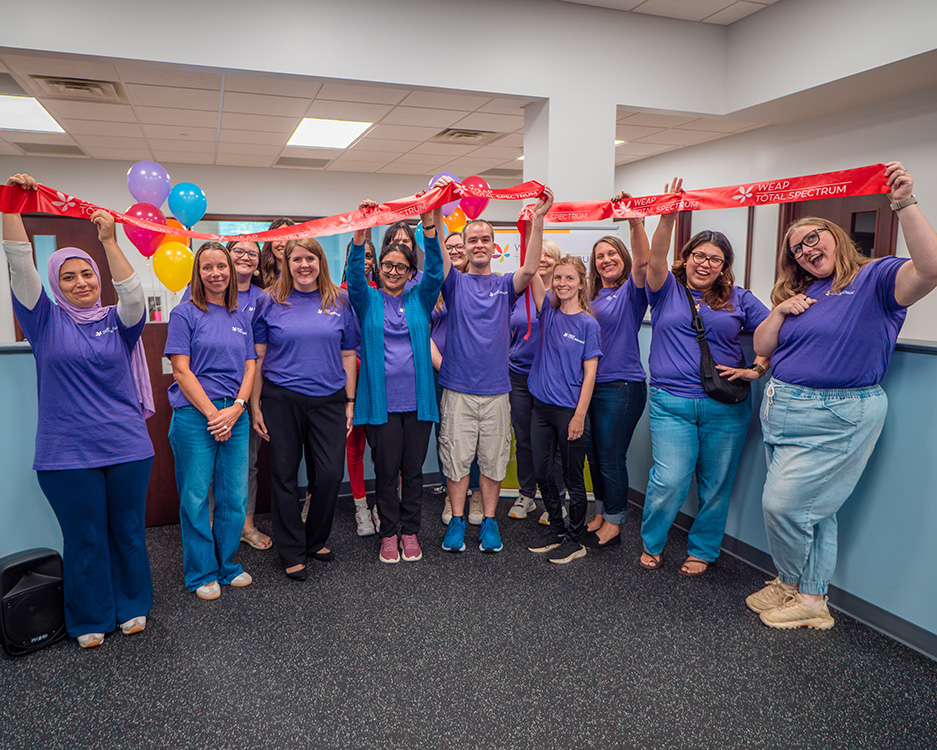
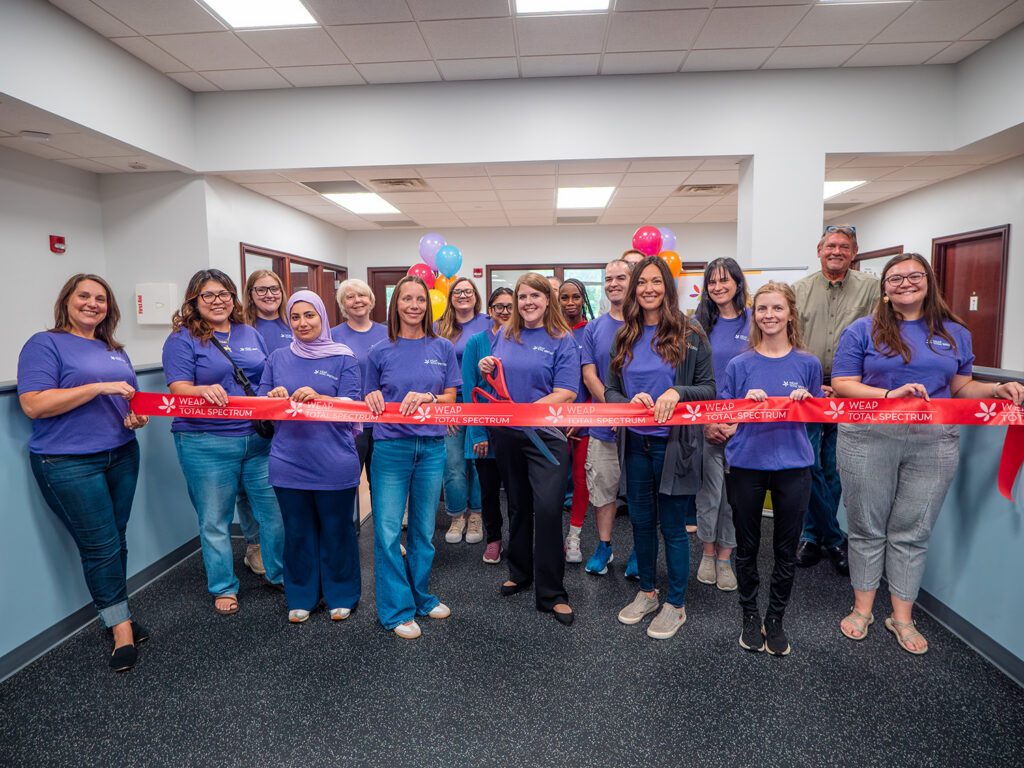
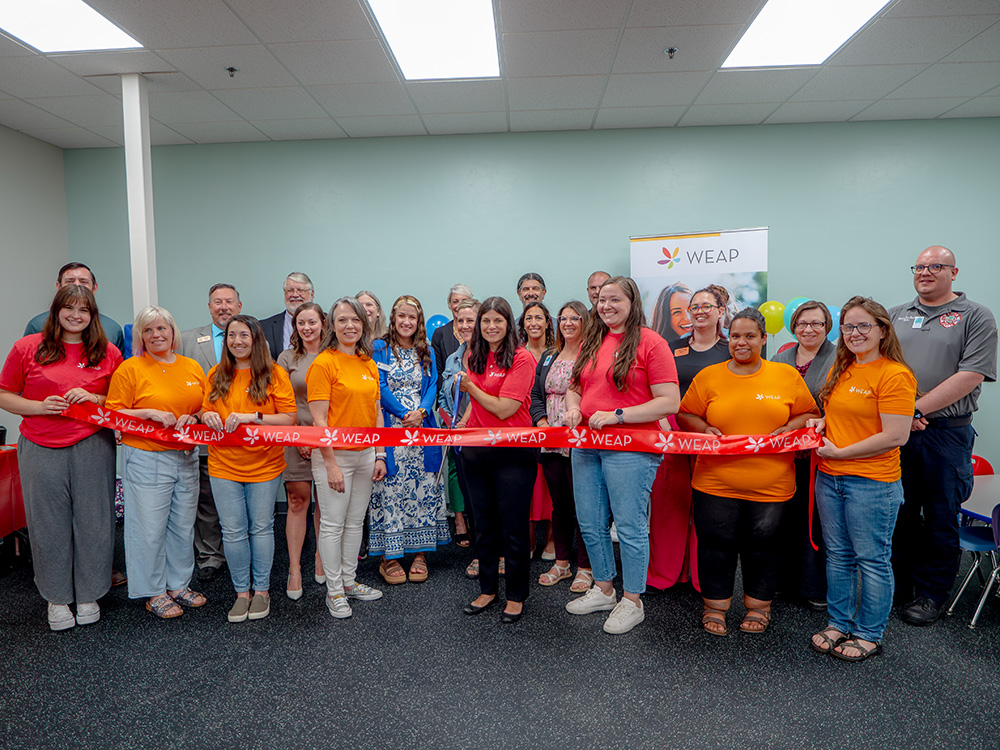
Wisconsin Early Autism Project (WEAP) and Total Spectrum, providers of LEARN Behavioral, recently held a ribbon-cutting celebration at their Greenfield Learning Center, 4131 W Loomis Rd., Suite 100, Greenfield, WI 53221.
Hosted by the Greater Greenfield Community Chamber of Commerce, the ribbon-cutting celebration was held on September 10, 2026.
During the ribbon-cutting ceremony, Greenfield Mayor Michael Neitzke shared greetings and opening remarks. State Representative Karen Kirsch, State Senator Tim Carpenter, and State Representative Bob Donovan shared remarks. Members of the Greater Greenfield Community Chamber and other guests were in attendance.
Ribbon-cutting attendees toured the facility, enjoyed light refreshments, and met WEAP and Total Spectrum’s leadership team: Linda Klotz, MA, BCBA, LBA, Clinical Director; Heather Bania, BSc, WEAP Senior Regional Clinical Director – Milwaukee Region; and Brooke Marcellis, M.Ed., BCBA, LBA, Regional Clinical Director of Total Spectrum.
WEAP and Total Spectrum are Greenfield’s premiere contemporary applied behavior analysis (ABA) providers of center-based autism services for children ages 18 months to 4 years old.
The new Greenfield Learning Center provides center-based ABA therapy and Early Intervention. Outside of the center, the Greenfield team provides ABA therapy in the home and community settings.
“We are excited to bring compassionate, high-quality ABA therapy to families in the greater Greenfield area,” said Linda Klotz, Clinical Director. “We tailor our services to each child and family, providing engaging, evidence-based care in an environment designed to help children build skills, confidence, and independence. We’re proud to be part of the Greenfield community—and deeply committed to helping families thrive.”
The Greenfield Learning Center offers flexible treatment hours to accommodate busy family schedules and is now accepting clients. The center is conveniently located and easily accessible via I-41 and I-43 for families in the region.
For more information or to enroll a child at the Greenfield Learning Center, call (608) 662-9327 or visit https://wiautism.com/locations/greenfield
WEAP and Total Spectrum, part of the LEARN Behavioral network, are two of the nation’s leading providers of compassionate autism care. Together, they have provided evidence-based autism services for over 30 years and are dedicated to delivering personalized ABA therapy to help children and families find success.
The Greenfield Learning Center is WEAP and Total Spectrum’s sixth center-based ABA therapy location in the Greater Milwaukee area. The companies already have Learning Centers in Oak Creek, Brookfield, Milwaukee, Mount Pleasant, and West Bend, WI.
LEARN Behavioral is a national leader in autism treatment, offering comprehensive diagnostic services and contemporary applied behavior analysis (ABA) therapy for children with autism spectrum disorder (ASD). With a nationwide network of ABA providers and more than 100 Learning Centers across the country, LEARN delivers the highest standard of evidence-based care—customized to meet the unique needs and interests of each child and family. For more information, visit learnbehavioral.com.
Wisconsin Early Autism Project (WEAP), provider of LEARN Behavioral, is proud to announce the grand opening of its new Appleton Learning Center at 900 West College Avenue, Appleton, WI 54914.
WEAP, celebrating over 30 years of service, has become a world-renowned leader in early diagnosis and treatment for children with autism. Their evidence-based approach to care has helped thousands of children with autism throughout Wisconsin.
WEAP is Wisconsin’s premiere contemporary applied behavior analysis (ABA) provider of center-based autism services for children ages 18 months to 6 years old. The new Appleton Learning Center provides center-based ABA therapy and Social Skills Programs. Outside of the center, the Appleton team provides ABA therapy in the home and community settings.
“Our Appleton Learning Center was launched to meet significant demand for ABA autism services in the Fox Valley,” said Kerry Hoops, MA, BCBA, Regional Clinical Director. “We are excited to expand our services and have the opportunity to partner with new families throughout greater Appleton to help find success for every child in our care.”
With no waitlist and flexible treatment hours to accommodate busy family schedules, the center is now enrolling new clients in Outagamie County and beyond.
For more information or to enroll a child at the Appleton Learning Center, call (608) 662-9327 or visit https://wiautism.com/locations/appleton
In addition to Appleton, WEAP has center-based ABA therapy Learning Centers in Altoona, Beloit, Brookfield, De Pere, Glendale, Green Bay, Greenfield, Janesville, Madison, Madison South, Menomonie, Milwaukee (Menomonee Falls),Mount Pleasant, Oak Creek, Oshkosh, Reedsburg, Sheboygan, Stevens Point, Sun Prairie, and West Bend.
LEARN Behavioral is a national leader in autism treatment, offering comprehensive diagnostic services and contemporary applied behavior analysis (ABA) therapy for children with autism spectrum disorder (ASD). With a nationwide network of ABA providers and more than 100 Learning Centers across the country, LEARN delivers the highest standard of evidence-based care—customized to meet the unique needs and interests of each child and family. For more information, visit learnbehavioral.com.
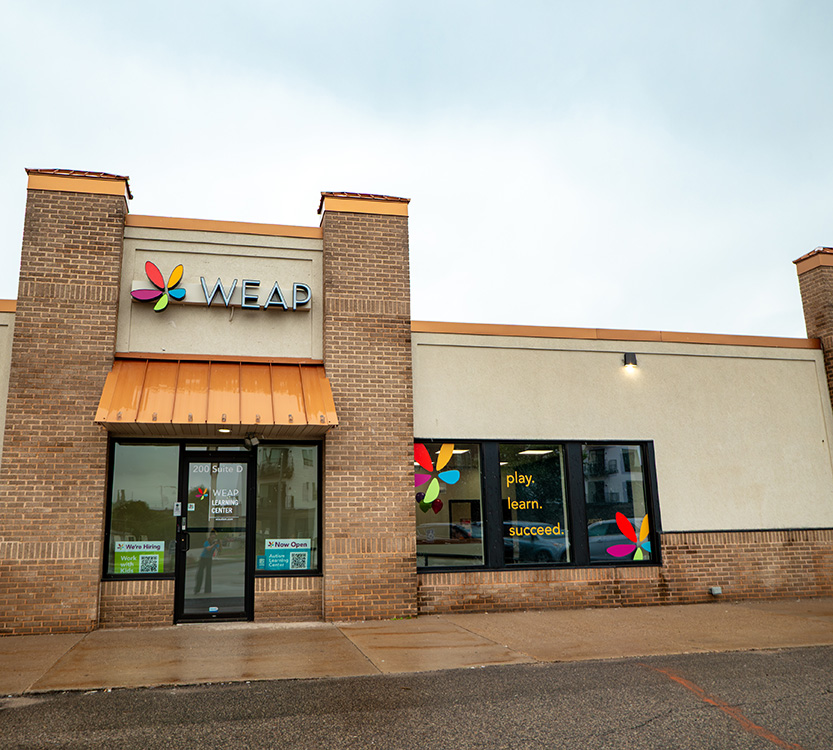
Wisconsin Early Autism Project (WEAP), provider of LEARN Behavioral, recently held a ribbon-cutting celebration at its new Stevens Point Learning Center at 200 Division Street, Suite D, Stevens Point, WI 54481.
Hosted by the Portage County Business Council, the ribbon-cutting celebration was held on June 11, 2026.
During the ribbon-cutting ceremony, Sarah Agena, Community Engagement Coordinator of the Portage County Business Council, along with Senator Patrick Testin, State Representative Vincent Miresse, and Mayor Mike Wiza, shared greetings and remarks. Members of the Portage County Business Council and other guests were in attendance.
Ribbon-cutting attendees toured the facility, enjoyed light refreshments, and met the WEAP Stevens Point leadership team, Cassie Sedlacek, LCSW, Regional Clinical Director, and Erin Junemann, Center Director.
WEAP is Wisconsin’s premiere contemporary applied behavior analysis (ABA) provider of center-based autism services for children ages 2 to 6 years old. The Stevens Point Learning Center provides center-based ABA, parent education, Early Intervention, Social Skills Programs, and weekend hours (Saturday Squad). Their center-based services also include a school readiness program.
The Stevens Point Learning Center offers flexible treatment hours to accommodate busy family schedules. There is no waitlist. The center is conveniently located within walking distance to the University of Wisconsin-Stevens Point and easily accessible for families in the region.
WEAP, celebrating over 30 years, has become a world-renowned leader in early diagnosis and treatment for children with autism. Their evidence-based approach to care has helped thousands of children with autism throughout Wisconsin.
WEAP is now enrolling new clients in Portage County and beyond. For more information or to enroll a child at the Stevens Point Learning Center, call (608) 662-9327 or visit https://wiautism.com/locations/stevens-point
LEARN Behavioral is a national leader in autism treatment, offering comprehensive diagnostic services and contemporary applied behavior analysis (ABA) therapy for children with autism spectrum disorder (ASD). With a nationwide network of ABA providers and more than 100 Learning Centers across the country, LEARN delivers the highest standard of evidence-based care—customized to meet the unique needs and interests of each child and family. For more information, visit learnbehavioral.com.
Wisconsin Early Autism Project (WEAP) and Total Spectrum, providers of LEARN Behavioral, are proud to announce the grand opening of its new Greenfield Learning Center at 4131 W Loomis Rd., Suite 100, Greenfield, WI 53221.
WEAP and Total Spectrum are Greenfield’s premiere contemporary applied behavior analysis (ABA) providers of center-based autism services for children ages 18 months to 4 years old. The new Greenfield Learning Center provides center-based ABA therapy and Early Intervention. Outside of the center, the Greenfield team provides ABA therapy in the home and community settings.
“Our Greenfield Learning Center was established to meet the high demand for ABA autism services in southeastern Wisconsin,” said Heather Bania, BSc, WEAP Senior Regional Clinical Director – Milwaukee Region.
“We are excited to have the opportunity to partner with new families throughout greater Greenfield to help find success for every child in our care,” Brooke Marcellis, M.Ed., BCBA, LBA, Regional Clinical Director of Total Spectrum.
With no waitlist and flexible treatment hours to accommodate busy family schedules, the center is now enrolling new clients in Milwaukee County and beyond.
For more information or to enroll a child at the Greenfield Learning Center, call (608) 662-9327 or visit https://wiautism.com/locations/greenfield
WEAP and Total Spectrum, part of the LEARN Behavioral network, are two of the nation’s leading providers of compassionate autism care. Together, they have provided evidence-based autism services for over 30 years and are dedicated to delivering personalized ABA therapy to help children and families find success.
The Greenfield Learning Center is WEAP and Total Spectrum’s seventh center-based ABA therapy location in the Greater Milwaukee area. The companies already have Learning Centers in Glendale, Oak Creek, Brookfield, Milwaukee, Mount Pleasant, and West Bend, WI.
LEARN Behavioral is a national leader in autism treatment, offering comprehensive diagnostic services and contemporary applied behavior analysis (ABA) therapy for children with autism spectrum disorder (ASD). With a nationwide network of ABA providers and more than 100 Learning Centers across the country, LEARN delivers the highest standard of evidence-based care—customized to meet the unique needs and interests of each child and family. For more information, visit learnbehavioral.com.
The Wisconsin Early Autism Project (WEAP), a provider of LEARN Behavioral, officially opened its doors with a ribbon-cutting ceremony at its new Sheboygan Learning Center, 1338 North Taylor Drive A, Sheboygan, WI 53081.
WEAP is Wisconsin’s premiere contemporary applied behavior analysis (ABA) provider of center-based autism services for children. The new Sheboygan Learning Center provides center-based ABA therapy and the Better Together Youth Club, a social skills program. Outside of the Learning Center, the Sheboygan team offers in-home ABA therapy.
A ribbon-cutting ceremony hosted by the Sheboygan County Chamber of Commerce was held on April 7, 2026. Jamie Schuh, Center Director at WEAP Sheboygan, shared greetings and remarks. During the ceremony, Deidre Martinez, CEO of the Sheboygan County Chamber; Amy Resop, a representative of the office of U.S. Senator Ron Johnson; State Representative Joe Sheehan; and Mayor Ryan Sorenson shared remarks. Members of the Sheboygan County Chamber of Commerce and other guests were in attendance.
Ribbon-cutting attendees were able to tour the facility, enjoy light refreshments, and meet WEAP’s leadership team, Kerry Hoops, MA, BCBA, Regional Clinical Director, and Jamie Schuh, BCBA, Center Director.
“We are honored to have such wonderful community support of our mission,” said Kerry Hoops.
We’re proud to be part of this community—and deeply committed to helping families thrive.”

The Sheboygan Learning Center provides ABA therapy, which includes a learning-rich environment, unique play-based learning spaces, and one-on-one support to children and families with autism in the community. WEAP Sheboygan serves children ages 18 months to 6 years old.
Special features of theSheboygan Learning Center include a SMART Board room, a large indoor gym, sensory rooms, and group learning. Sleep specialist consultations are available. There is no waitlist, and flexible treatment hours are available to accommodate busy family schedules.
Conveniently located off Highway 43, WEAP is now enrolling new clients in Sheboygan County and beyond. For more information or to enroll a child at the Sheboygan Learning Center, call (608) 662-9327 or visit https://wiautism.com/locations/sheboygan
WEAP, celebrating its 30th year, has become a world-renowned leader in early diagnosis and treatment for children with autism. Their evidence-based approach to care has helped thousands of children with autism throughout Wisconsin.
In addition to Sheboygan, WEAP has center-based ABA therapy Learning Centers in Altoona, Beloit, Brookfield, De Pere, Glendale, Green Bay, Janesville, Madison, Madison South, Menomonie, Milwaukee (Menomonee Falls),Mount Pleasant, Oak Creek, Oshkosh, Reedsburg, Stevens Point, Sun Prairie, and West Bend. WEAP continues to expand and will open the doors of additional Learning Centers in Greenfield, Appleton, and Waukesha in 2026.
LEARN Behavioral is a national leader in autism treatment, offering comprehensive diagnostic services and contemporary applied behavior analysis (ABA) therapy for children with autism spectrum disorder (ASD). With a nationwide network of ABA providers and more than 100 Learning Centers across the country, LEARN delivers the highest standard of evidence-based care—customized to meet the unique needs and interests of each child and family. For more information, visit learnbehavioral.com.
Wisconsin Early Autism Project (WEAP), provider of LEARN Behavioral, is proud to announce the grand opening of its new Beloit Learning Center at 905 Henry Ave., Beloit, WI 53511.
WEAP, celebrating its 30th year, has become a world-renowned leader in early diagnosis and treatment for children with autism. Their evidence-based approach to care has helped thousands of children with autism throughout Wisconsin.
WEAP is Wisconsin’s premiere contemporary applied behavior analysis (ABA) provider of center-based autism services for children ages 18 months to 6 years old. The new Beloit Learning Center provides center-based ABA therapy, social skills programs, parent education (in-home), Early Intervention, and weekend services. The social skills programs offered include Better Together Youth Club and Saturday Squad.
“We launched the new Beloit Learning Center to meet significant demand for ABA autism services in Rock County,” said Christine Laurent, BCBA, LBA, Regional Clinical Director. “We are excited to have the opportunity to partner with new families throughout greater Beloit to help find success for every child in our care.”
With no waitlist and flexible treatment hours to accommodate busy family schedules, the center is now enrolling new clients in Rock County and beyond.
For more information or to enroll a child at the Beloit Learning Center, call (608) 662-9327 or visit https://wiautism.com/locations/beloit
In addition to Beloit, WEAP has center-based ABA therapy Learning Centers in Altoona, Brookfield, De Pere, Glendale, Green Bay, Janesville, Madison, Madison South, Menomonie, Milwaukee (Menomonee Falls),Mount Pleasant, Oak Creek, Oshkosh, Reedsburg, Sheboygan, Stevens Point, Sun Prairie, and West Bend. WEAP continues to expand and will open the doors of additional Learning Centers in Greenfield and Kenosha in 2026.
LEARN Behavioral is a national leader in autism treatment, offering comprehensive diagnostic services and contemporary applied behavior analysis (ABA) therapy for children with autism spectrum disorder (ASD). With a nationwide network of ABA providers and more than 100 Learning Centers across the country, LEARN delivers the highest standard of evidence-based care—customized to meet the unique needs and interests of each child and family. For more information, visit learnbehavioral.com.
Dr. Genevieve Marshall, BCBA, breaks down myths about autism, the early signs of autism, and what you can do to keep yourself informed on best practices. To learn more about ABA therapy and services available to you, visit https://learnbehavioral.com/services/find-a-location
By Sabrina Daneshvar, Ph.D., BCBA-D, senior vice president of clinical services at LEARN Behavioral
Autism isn’t always easy to spot. It’s a complex neurological and developmental disorder. It often shows up in early childhood and affects how a person interacts with others, communicates, and learns.
Since symptoms of autism vary so widely from person to person, it can be challenging to diagnose.
Recognizing early signs can be vital to getting help. If you suspect your child may be on the autism spectrum, talk to your pediatrician. A medical professional can guide you on the next steps. This may include a complete diagnostic evaluation.
You may be familiar with people talking about autism existing on a “spectrum.” This means a person’s symptoms can vary in severity across many areas. For example, some people might have trouble with social interactions and communication. They might have difficulty understanding body language or maintaining a conversation. Others might have repetitive behaviors or be intensely focused on certain interests.
Simply put, autism doesn’t look the same for everyone. Everyone experiences it differently.
Early Signs of Autism
While every child is unique, there are common signs of autism to watch for. Here are some:
Watch for signs such as:
Remember, these signs don’t confirm autism. But they suggest you should check with your health care provider.
If you think your child may be showing signs of autism, early intervention is critical. Children’s brains are most adaptable and responsive to learning during the first few years of life. Research shows that high-quality early intervention can significantly improve essential skill development. These include communication, social interactions, cognition, and self-care.
So, if you notice signs of autism, document your observations. Talk to your child’s doctor, and stay patient and positive.
Getting a diagnosis of autism is not an end. It’s a beginning. It opens the door to getting the services and support that can help your child thrive.
Accessing therapies early can lead to better long-term outcomes. It reduces the need for intensive support in the future. It can also help foster supportive environments for your child’s growth.
Early intervention can also teach you strategies for navigating the world of autism.
Interested in learning more about the early signs of autism? Visit our website for additional information and how we can help you get started on your child’s journey to success.
March is Women’s History Month. It’s a time to celebrate the accomplishments of women in all walks of life.
In the area of autism and contemporary applied behavior analysis (ABA) therapy, many women have made a lasting mark. They’ve broken barriers. They’ve conducted significant research, and they’ve paved the way for better understanding and treatment of autism.
Today, we spotlight seven women who have shown us what it means to lead with passion, dedication, and commitment. They are making a difference, and their work continues to inspire future generations of women in the field.
Temple Grandin, Ph.D., is a name synonymous with autism advocacy. Born in 1947, she was diagnosed with autism in early childhood. Despite the challenges, she went on to become an esteemed academic and animal behaviorist. She has gained recognition for writing books and delivering speeches on autism and animal behavior. Today, she is a professor of animal science at Colorado State University.
Greta Thunberg is a Swedish environmental activist. She has gained global recognition for her efforts to fight climate change. She’s also known for being openly autistic. She has referred to her autism as her “superpower,” and has discussed how it has helped her in her activism by allowing her to focus intensely on topics that interest her. Greta has used her platform to advocate for acceptance and understanding of autism. On her Facebook page, she identifies herself as an “Autistic climate justice activist.”
Breanna Clark is an American Paralympic athlete who was diagnosed with autism at age 4. She competes in T20 category races, a classification for athletes with intellectual impairments. She has represented athletes with autism on an international stage. Off the track, she’s been an advocate and role model for people with autism.
Ronit Molko, Ph.D., BCBA-D, is another luminary in the field. She is a thought leader and subject matter expert in autism spectrum disorder, developmental disabilities, and behavioral healthcare. She co-founded Autism Spectrum Therapies (acquired by Learn It Systems) and is a LEARN Behavioral board member. In this All Autism Talk podcast, she talks about how ongoing research is helping us better understand the unique challenges girls with autism face.
Devon Sundberg, MS, BCBA, co-founded the Behavior Analysis Center for Autism (BACA). She has made significant contributions to the field of behavior analysis, both through her work at BACA and as the founder of the Women in Behavior Analysis conference. In this All Autism Talk podcast, she shares how raising three daughters helped open her eyes to how gendered life can be — and about the need for more women in the autism field.
Hanna Rue, Ph.D., BCBA-D, is chief clinical officer for LEARN Behavioral. Her research interests are broad and include the identification of evidence-based practices for the treatment of autism. Her influence in the field of autism is evident in her wide-ranging work that spans clinical care, research, and advocacy. She has made significant contributions to STEM fields, sharing her insights through various platforms, including top-performing podcast episodes about autism, and extending her influence and reach in the autism community.
Sabrina Daneshvar, Ph.D., BCBA-D, serves as the senior vice president of clinical services at LEARN Behavioral. Her research interests include video modeling and teaching social skills. This work has contributed to developing innovative strategies for improving social skills in children with autism. Sabrina has also taught, mentored, and trained many graduate students pursuing their degrees.
These are just a few women who have helped to shape the field of autism and ABA therapy. Their work underscores the importance of early intervention, peer support, and recognizing the diverse signs and symptoms of autism in girls and women.
We celebrate these women and everyone who has made contributions to advance our understanding of autism. They provide hope and inspiration to countless families across the world affected by it.
By Sally Burke, M.S.Ed, BCBA, LABA
Senior Clinical Director, Early Intervention ABA
Discovering that your child has been diagnosed with autism can be an incredibly challenging and emotional experience for parents and caregivers. It can make you feel uncertain, overwhelmed, and worried about what to do next.
It’s important to know that early detection and intervention can not only make a significant difference in your child’s development — but also offer a sense of reassurance and ease for you as a parent.
“Early intervention” for children with autism refers to the process of identifying and addressing developmental challenges — including social, communication, and behavioral skills — as early as possible in a child’s life. It involves providing specialized support, therapies, and services designed to meet the unique needs of each child with autism.
The age range for early intervention is most effective when started as early as possible, ideally before the age of 3. Research has shown that the earlier a child with autism receives intervention, the better their outcomes are likely to be in terms of improved skills, reduced behaviors that interfere with growth and learning, and overall quality of life.
The positive impact of early intervention for children with autism is undeniable. It paves the way for their growth and progress.
Here are five compelling reasons why embracing early intervention can put your mind at ease and set your child on a path toward fulfilling their potential:
Children with autism often struggle with social interaction and communication, which can lead to isolation and difficulties in making friends. Early intervention can help children develop socialization skills by providing opportunities for them to interact with others in a structured and supportive environment. This can include teaching them how to initiate conversations, read body language, understand social cues, and form friendships.
Many children with autism struggle with communication — whether it’s speaking, understanding language, or using non-verbal cues. Early intervention can help improve communication skills, including speech therapy, or tools like sign language and assistive technology. Early intervention through applied behavior analysis (ABA) can help children express themselves and better understand others, which can lead to improved socialization and overall quality of life.
Sometimes life with autism can be challenging. There can be a fair share of meltdowns and tantrums. Early intervention through ABA addresses these often difficult moments and helps children learn appropriate behaviors and how to strengthen ways to learn and interact with others.
Children with autism often struggle academically, which can lead to frustration and low self-esteem. With the help of early intervention, though, children and families can prepare for future academic success. During early intervention, young learners develop social and communication skills that will benefit them not only in their daily lives but also in the classroom once they enroll in school.
Autism can be challenging not just for the child, but for your entire family. Early intervention supports your family by providing resources and tools to help you better understand and support your child. It can also help reduce stress and improve overall family dynamics between you and your neurodivergent child, as well as between your child with autism and their neurotypical siblings.
These are just a few of the many reasons why early intervention for kids with autism is beneficial. By starting treatment early, children with autism can develop the skills and abilities they need to lead fulfilling and successful lives.
Sally Burke, M.S. Ed., BCBA, LABA, is a senior clinical director in the LEARN Behavioral network. She has worked in the autism field for more than 20 years and specializes in early intervention.
For more resources on early intervention, listen to our podcast episode featuring Dr. Geraldine Dawson, co-creator of the Early Start Denver Model, and read our blog on brain plasticity and early intervention written by Ronit Molko, Ph.D., BCBA-D and Dr. Evian Gordon, Chairman and CEO of Brain Resource.